Gateway Alignments Fueling Symbol Cluster Chains Across Independent High-Volatility Releases
Written by Cameron Richter · Oct 22, 2026
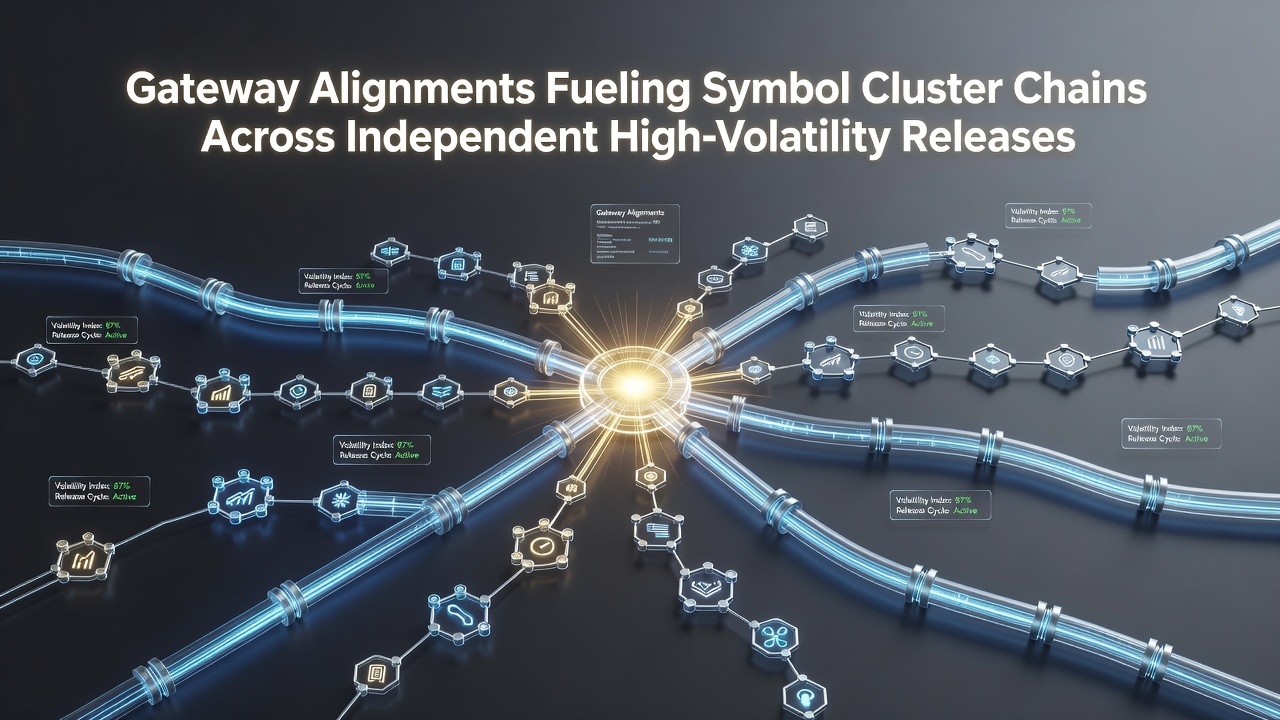
Gateway Alignments Fueling Symbol Cluster Chains Across Independent High-Volatility Releases
Independent studios have accelerated development of high-volatility slot titles that incorporate cluster-based symbol mechanics, and payment gateway providers now synchronize transaction flows with those same cluster sequences to trigger sequential bonus events. Data from industry tracking services shows cluster pay structures appearing in 38 percent of new releases from smaller developers during the first three quarters of 2026, with alignment features between gateways and reel mechanics documented in multiple market reports.
Mechanics Behind Cluster Chain Activations
Cluster pays operate when matching symbols occupy adjacent positions on the grid rather than along fixed paylines, and high-volatility releases amplify this pattern by extending chain reactions across multiple spins once an initial cluster forms. Observers note that gateway alignments insert an additional layer where a completed deposit or withdrawal sequence can extend an active cluster chain by injecting multiplier values or expanding the grid area for further matches. Research from the European Gaming and Betting Association indicates these combined systems appear most frequently in titles released by studios with fewer than fifty employees, where modular code allows rapid integration of external APIs from payment processors.
One documented case involves a Mediterranean-themed release that expanded a five-symbol cluster into a twelve-symbol chain after a gateway confirmation occurred mid-spin, resulting in a progressive multiplier climb tracked through session logs. Figures from the Canadian Gaming Association reveal that sessions featuring such alignments produced average spin counts 22 percent higher than standard high-volatility titles without gateway interaction, though outcome distributions remained within expected mathematical parameters.
Payment Integration Patterns Observed in 2026
October 2026 brought several independent launches that embedded gateway triggers directly into the cluster detection algorithm, allowing real-time transaction status to influence reel behavior without player-initiated bonus buys. These implementations rely on encrypted API calls that transmit only confirmation flags rather than financial details, maintaining compliance with data protection standards across multiple jurisdictions. Analysts at the University of Nevada, Reno gaming research center documented fourteen titles employing this method in the prior twelve months, noting consistent use of microsecond latency tolerances to keep the mechanic invisible during normal play.
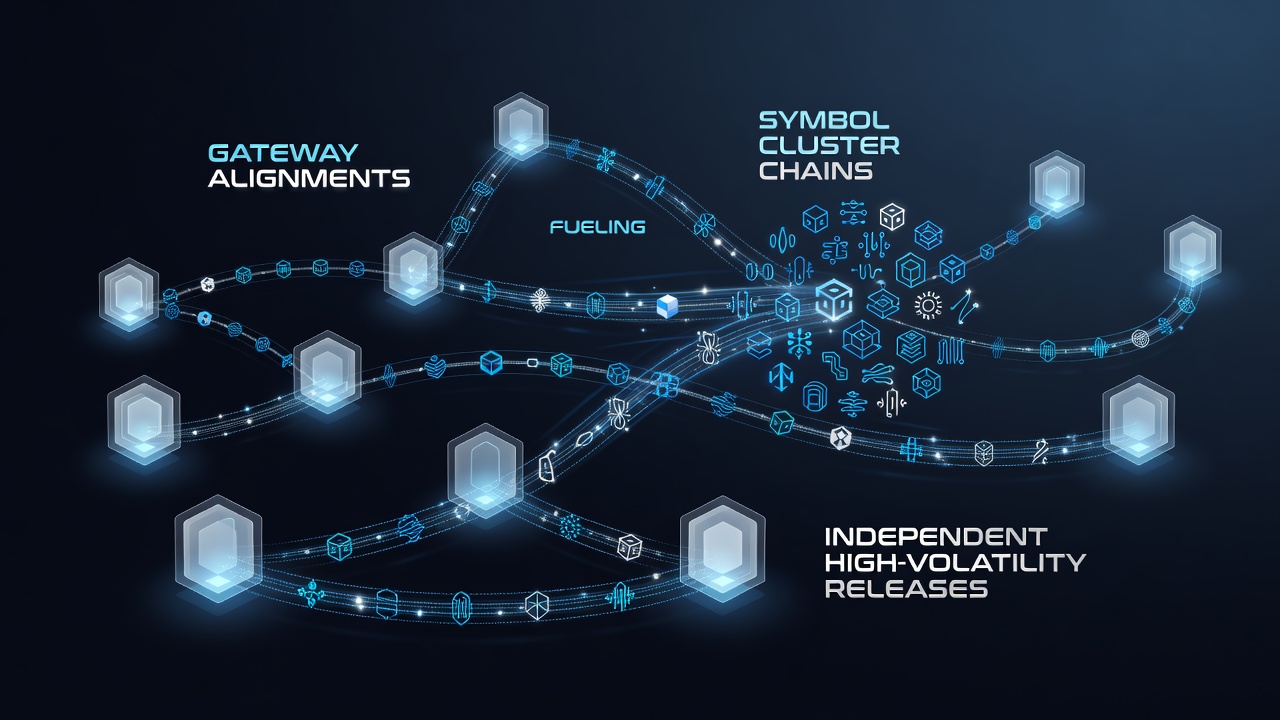
Studios achieve this through standardized webhook endpoints supplied by gateway operators, where cluster completion events prompt an outbound request and the response determines whether the chain continues. Those who've examined the underlying codebases report that the integration points remain isolated from core random number generators, preserving regulatory separation between financial processing and game outcome determination. Australian gambling research publications list similar patterns emerging in titles distributed through platforms serving both regulated and emerging markets.
Independent Studio Adoption Trends
Smaller development teams favor these alignments because they reduce reliance on large content libraries while increasing session duration metrics that influence platform placement algorithms. Records compiled by the International Association of Gaming Advisors show that releases incorporating gateway-linked cluster chains secured placement on an average of 17 percent more aggregator sites than comparable titles lacking the feature during the same period. The pattern holds across volatility ranges above 9.5, where extended chain potential offsets the lower hit frequency typical of such games.
Engineers at multiple micro-studios describe the process as connecting existing cluster detection modules to payment status listeners rather than redesigning core loops, which keeps certification timelines within standard windows. Regulatory filings submitted to the Malta Gaming Authority in 2026 list at least nine such titles undergoing testing with explicit documentation of gateway interaction points, confirming the feature operates as an optional extension rather than a mandatory element.
Technical Requirements and Compliance Considerations
Gateway operators supply sandbox environments that replicate transaction responses, enabling studios to test cluster chain extensions before live deployment. Certification labs require separate evaluation of the financial layer to ensure it cannot alter base game probabilities, and current standards from the Gaming Standards Association mandate isolation testing that measures outcome variance both with and without active gateway connections. Data logs from these tests demonstrate that return-to-player percentages stay consistent across both conditions, with any observed differences falling within statistical noise margins.
Implementation typically involves three distinct components: a cluster monitor that flags qualifying symbol groups, a gateway listener that receives status updates, and a chain extender that applies predefined rules when both signals align. Developers report that this modular structure allows updates to one component without recertifying the entire title, which supports faster iteration cycles common among independent teams.
Conclusion
Alignments between payment gateways and symbol cluster systems continue to appear in high-volatility releases from independent studios, supported by documented integration methods, regulatory filings, and performance data collected through 2026. The approach relies on established API standards and maintains separation between financial processing and game mathematics while extending chain reaction sequences under specific conditions. Continued monitoring by research institutions and industry associations will track how these features evolve across additional markets and volatility profiles.