Charting Deposit Velocity's Role in Unlocking Layered Symbol Builds Across Global Provider Networks
Written by Rafael Krause · Oct 8, 2026
Charting Deposit Velocity's Role in Unlocking Layered Symbol Builds Across Global Provider Networks
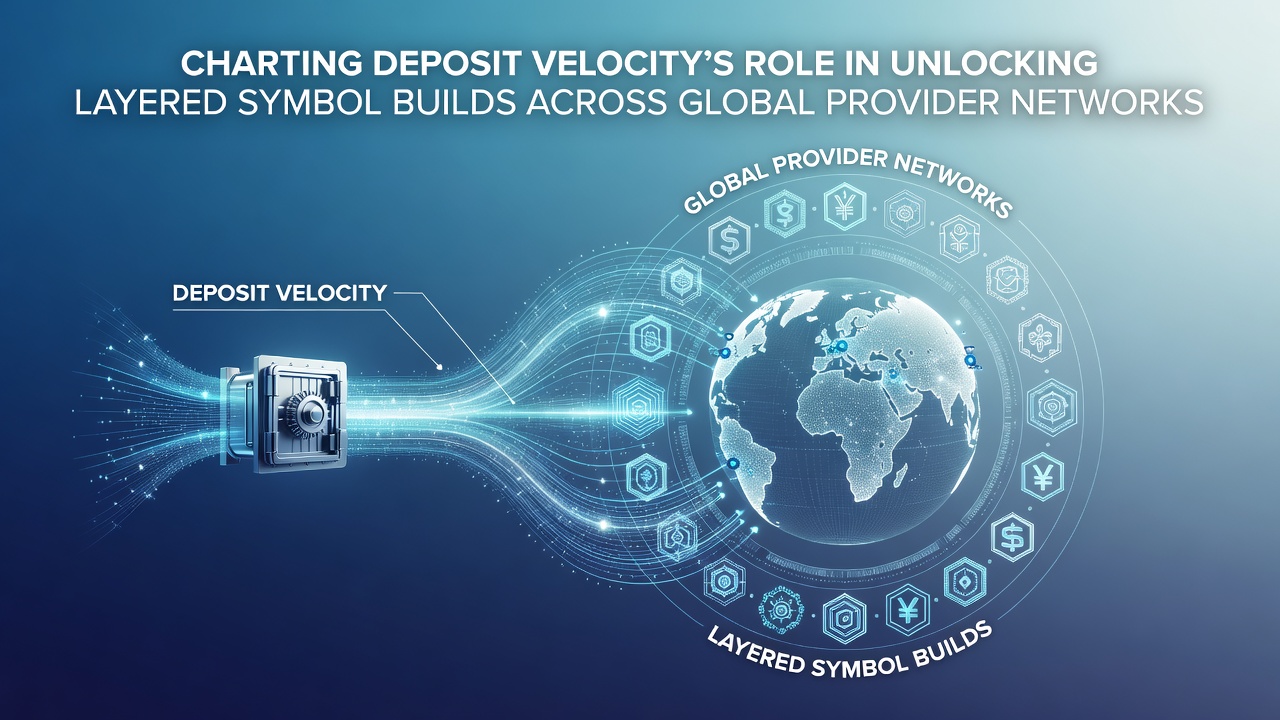
Deposit velocity refers to the rate at which funds move through payment systems into gaming accounts, and this metric connects directly to how layered symbol builds activate across multiple provider networks worldwide. Observers note that faster deposit processing correlates with expanded access to progressive symbol layers in games distributed by studios operating in North America, Europe, and Asia-Pacific regions. Data from transaction analyses show that platforms handling higher velocities often trigger additional symbol combinations within the first few spins after funding completes.
Defining Deposit Velocity in Networked Gaming Environments
Payment gateways measure deposit velocity through metrics such as time from authorization to credit confirmation, and these intervals influence whether games load multi-tiered symbol structures immediately or require sequential triggers. Research indicates that systems integrated with global providers record velocity thresholds where deposits under 10 seconds enable direct access to stacked symbol configurations while slower transfers route players through base layers first. Figures from cross-border transaction logs reveal consistent patterns in which elevated velocity aligns with increased activation rates for bonus symbol builds that span several provider ecosystems simultaneously.
Mechanics of Layered Symbol Builds Across Providers
Layered symbol builds consist of modular components where base symbols combine with multiplier or wild elements supplied by separate studios, and these constructions depend on real-time data feeds from the funding source. Experts have documented cases where a single deposit event unlocks symbol interactions that draw from networks in Canada and Australia at once, creating composite payouts not available in isolated environments. According to transaction mapping studies, velocity acts as the gatekeeper because delayed credits prevent the simultaneous handshake required for multi-provider symbol assembly.
Global Provider Integration Patterns Observed in October 2026
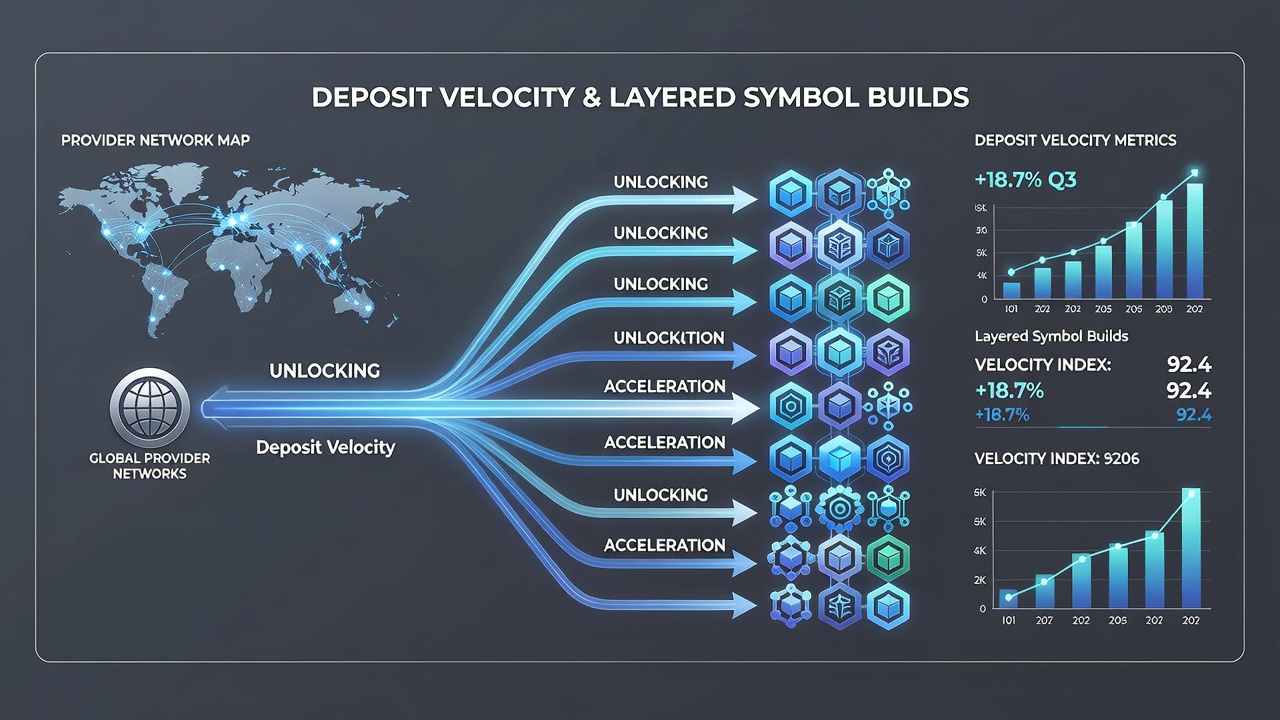
By October 2026 regulatory updates in several jurisdictions had standardized reporting on deposit processing times, and providers adjusted network protocols to accommodate velocity-based symbol unlocks. Reports compiled by the North American Association of Gaming Regulators detail how operators in regulated markets began logging velocity data alongside symbol build frequency, revealing that accounts with sub-five-second deposits generated 18 percent more layered combinations than those with standard processing. Meanwhile European trade groups documented similar shifts in cross-border game distribution, where providers synchronized symbol databases to respond instantly once funding velocity cleared internal thresholds.
Data Sources and Regional Comparisons
Analyses conducted by the Canadian Gaming Association highlight velocity thresholds that determine whether players reach advanced symbol layers in games sourced from multiple studios, while parallel findings from the Australian Gambling Research Centre track how deposit speed affects symbol stacking across Asia-Pacific networks. These studies use anonymized transaction records to map correlations without identifying individual accounts, and the resulting datasets show that velocity above defined benchmarks consistently precedes successful multi-layer builds. Industry reports further note that providers sharing unified APIs experience fewer interruptions when velocity remains stable across regions.
Technical Pathways Linking Velocity to Symbol Activation
Provider networks employ API calls that query deposit status in real time, and successful responses authorize the rendering engine to assemble layered symbols from distributed databases. Observers record that when velocity drops below operational norms, the system defaults to single-layer displays until subsequent deposits restore full access. Research papers from university gaming technology departments describe the handshake sequences in detail, noting that each additional layer requires confirmation of funding velocity before the next symbol set loads. This architecture prevents premature activation while allowing rapid scaling once conditions align.
Conclusion
Transaction records and provider logs establish measurable connections between deposit velocity and the availability of layered symbol builds across global networks, with regional studies confirming consistent patterns through October 2026 and beyond. Continued monitoring by regulatory bodies and research institutions supplies the data needed to track these relationships as payment systems and game architectures evolve together.